
Why Your Concrete Looks Faded (And How to Restore It)
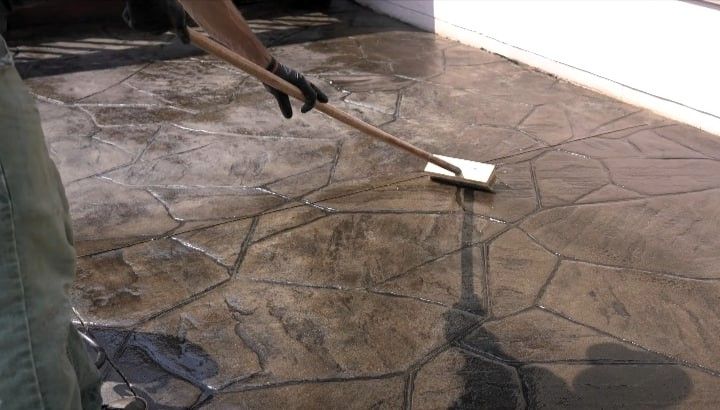
If your driveway, patio, or walkways look dull, discolored, or faded, you might assume it’s just age.
But in many cases, the problem isn’t the concrete itself—it’s what’s built up on top of it.
Over time, concrete collects dirt, stains, and organic growth that hide its original color and make it look worn out.
The good news? Concrete can often be restored with proper cleaning, without needing replacement.
What Causes Concrete to Look Faded
Concrete is a porous surface, which means it absorbs and holds onto substances over time.
Common causes of faded concrete include:
- Dirt and dust buildup
- Oil and grease stains
- Mold, mildew, and algae
- Hard water and mineral deposits
These layers create a dull, uneven appearance that makes your concrete look older than it really is.
How Dirt and Grime Affect Concrete Appearance
Dirt doesn’t just sit on top of your concrete—it settles into the surface.
As it builds up:
- The original color becomes hidden
- The surface looks darker or uneven
- The concrete appears aged
This is one of the main reasons concrete looks faded even when it’s structurally sound.
Oil Stains and Deep Discoloration
Driveways are especially prone to oil and grease stains from vehicles.
These stains:
- Penetrate deep into the concrete
- Leave dark, noticeable patches
- Become harder to remove over time
Without proper cleaning, these stains can make your entire driveway look worn.
Algae and Organic Growth
Green or black patches on your concrete are often caused by algae or mildew.
This buildup:
- Creates discoloration
- Makes surfaces look dirty
- Can even make areas slippery
Organic growth is a major factor in why concrete loses its clean appearance.
Why Basic Cleaning Doesn’t Fix the Problem
Many homeowners try to clean concrete using a hose or light scrubbing—but the results are usually temporary.
Basic cleaning:
- Removes surface dirt only
- Doesn’t reach deep buildup
- Leaves stains behind
That’s why concrete often still looks faded after cleaning.
How Pressure Washing Restores Concrete
Pressure washing is the most effective way to restore faded concrete.
It works by:
- Breaking down deep dirt and grime
- Removing oil stains and buildup
- Eliminating algae and mildew
Pressure washing reaches below the surface to reveal the original color of your concrete.
The Difference After Professional Cleaning
When concrete is properly cleaned, the results are immediate.
You’ll notice:
- Brighter, more even surfaces
- Removal of dark stains
- A cleaner, refreshed look
Pressure washing can make your concrete look years newer.
How to Keep Your Concrete Looking Clean
Once your concrete is restored, maintenance is key.
To keep it looking its best:
- Schedule regular pressure washing
- Clean spills and stains early
- Sweep away debris before it builds up
Consistency helps prevent the faded look from returning.
How Often Should You Pressure Wash Concrete?
Most homes benefit from pressure washing once a year, or more often if:
- You have frequent vehicle traffic
- Stains appear quickly
- Your concrete is exposed to moisture
Regular cleaning helps maintain both appearance and safety.
The Benefits of Restoring Instead of Replacing
Many homeowners think faded concrete needs to be replaced—but that’s often not the case.
Pressure washing:
- Costs significantly less than replacement
- Delivers fast results
- Extends the life of your concrete
It’s one of the easiest ways to improve your home’s exterior without major work.

If your driveway or patio is looking dull and faded, Picture Perfect Glass can help restore its appearance with professional pressure washing services.


