
Why Your Concrete Has White Stains (And How to Remove Them)
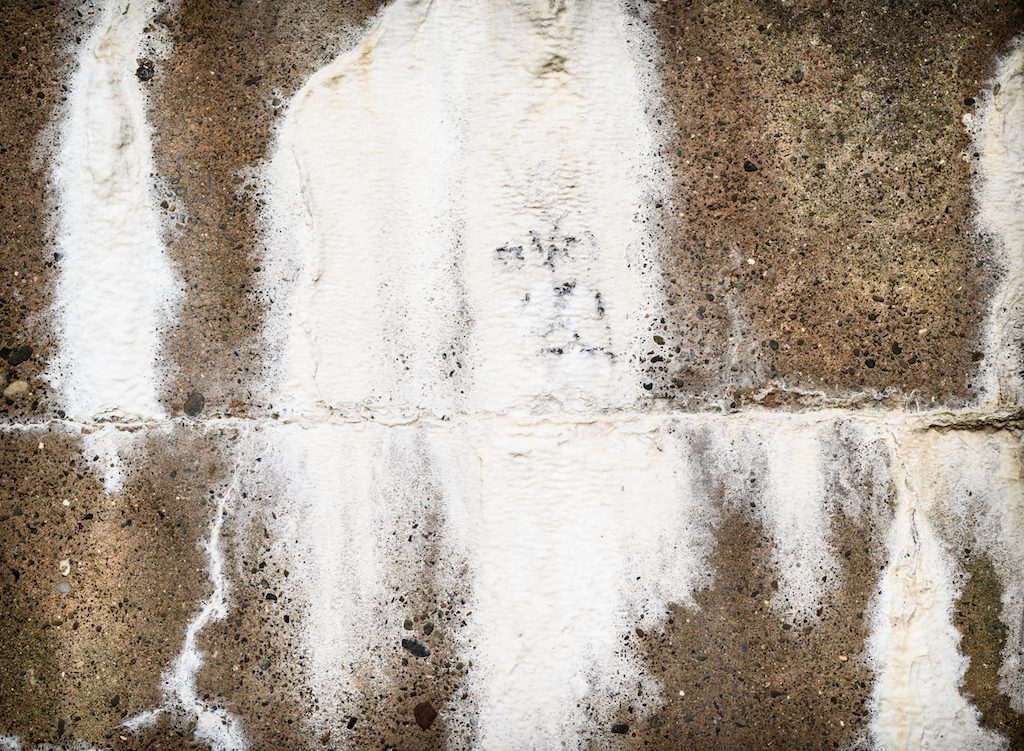
If you’ve noticed white, chalky stains on your driveway or walkways, you’ve probably searched “why does my concrete have white spots.” This is a very common issue homeowners deal with over time.
These white stains are known as efflorescence, and while they may seem harmless, they can affect both the appearance and condition of your concrete.
What Causes White Stains on Concrete?
White stains on concrete are typically caused by efflorescence, which occurs when water moves through concrete and brings salts to the surface.
As the water evaporates, it leaves behind a white, powdery residue.
Common causes include:
- Moisture buildup in concrete
- Poor drainage
- Rainwater seeping into surfaces
- Irrigation or sprinkler overspray
This process is natural, but it can become more noticeable over time.
Why Efflorescence Happens More Often Outdoors
Exterior concrete surfaces are constantly exposed to moisture, making them more prone to efflorescence.
You’ll often see white stains on:
- Driveways
- Sidewalks
- Patios
- Garage floors
These areas experience repeated exposure to water, which contributes to buildup.
Is Efflorescence a Problem?
In most cases, efflorescence is not structurally damaging — but it can indicate underlying moisture issues.
If left untreated, it can:
- Make your concrete look aged or neglected
- Become harder to remove over time
- Signal drainage problems
Addressing it early helps maintain both appearance and performance.
How Pressure Washing Removes White Stains
One of the most effective ways to remove white stains is through professional pressure washing.
Pressure washing helps:
- Break down surface residue
- Remove buildup from pores in the concrete
- Restore the original appearance
In some cases, specialized cleaning solutions may be used alongside pressure washing for better results.
Why DIY Cleaning Doesn’t Always Work
Many homeowners try to remove white stains using basic cleaning methods, but these often fall short.
Common DIY issues include:
- Only removing surface-level residue
- Leaving behind streaks or uneven areas
- Not addressing the root cause
Professional pressure washing provides a deeper, more complete clean.
How to Prevent White Stains From Returning
While efflorescence can’t always be completely prevented, there are ways to reduce its occurrence.
Helpful tips include:
- Improving drainage around your home
- Avoiding excessive water exposure
- Sealing concrete surfaces
- Scheduling regular pressure washing
These steps help minimize moisture buildup and keep surfaces looking cleaner.
How Often Should You Pressure Wash Concrete?
To maintain your driveway and outdoor surfaces, most homeowners should schedule pressure washing once a year.
More frequent cleaning may be needed if:
- You notice recurring stains
- Your property has poor drainage
- You want to maintain a consistently clean look
Routine pressure washing helps prevent buildup from becoming more noticeable.

White stains on concrete are usually caused by efflorescence, a common issue related to moisture and mineral deposits. While it’s not always harmful, it can affect the appearance of your property if left untreated.
At Picture Perfect Glass | Window Cleaning Dallas, pressure washing is designed to remove stubborn stains and restore your concrete surfaces, helping your home look clean, polished, and well-maintained.


